undergraduate THESIS RESEARCH
I'm excited to share my senior thesis work from the Fall of 2025 and Spring of 2026! Through this work, I wanted to ask myself the question: what if architecture was not merely a backdrop to life or a space for us to inhabit, but rather, a responsive ecology that contributes to shaping how we move, gather, eat, work, and ultimately, how we live? My research, titled Ecologies of Fulfilled Living, examines how architecture can engage the conditions that support a life of fulfillment.
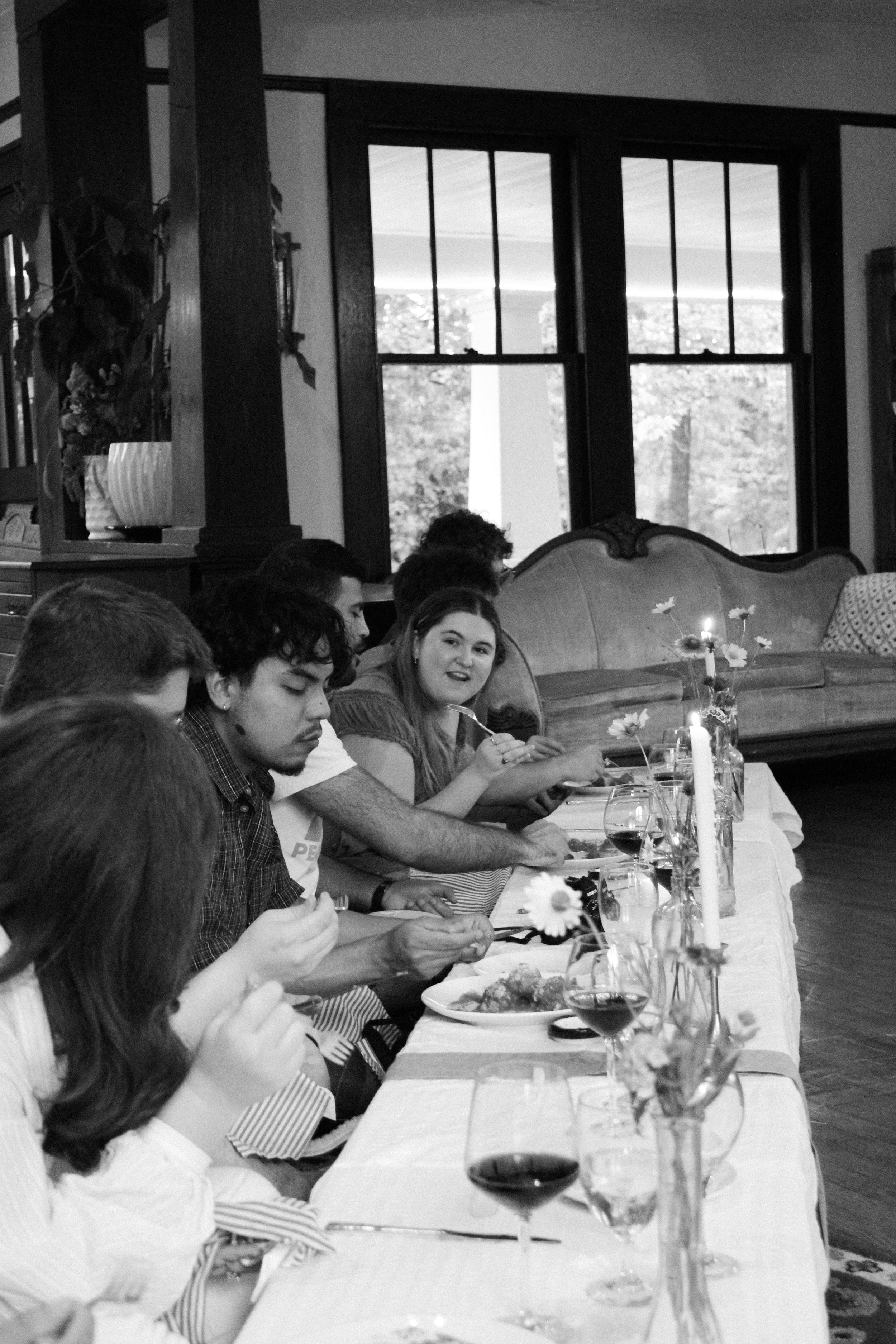
This work was continued into the Spring of 2026 through a focused exploration of nourishment as one of the five elements, using the meal as a medium to examine the concept of fulfillment more closely. While nourishment operates within a larger ecological system, observing it through the lens of a meal offers a direct way to engage it. The meal becomes a site where sustenance, social exchange, and sensory experience converge. What is often understood as routine reveals itself as a constructed condition, one that can be shaped and reconsidered.
Through analysis of case studies and spatial considerations, I’ve found that fulfilled living emerges not as a single prescription but as a dynamic balance between mind, body, and environment. It is the condition in which one’s physical surroundings, daily practices, relationships, and inner life reinforce one another rather than compete. Projects that incorporate a consideration of these elements demonstrate how design can support more connected and intentional ways of living. This work critically questions contemporary lifestyles, particularly in the United States, where convenience and disconnection often undermines well-being and considers how architecture can re-establish awareness of ecological context and appreciation of daily life. Ultimately, fulfillment is understood as something that emerges through relationships between people, between environments and between everyday practices and the spaces that hold them. Architecture cannot prescribe how to live, but it can create environments that support connection, health, and purpose, facilitating conditions in which living well becomes more intuitive and accessible.
Below, you will find my complete Thesis Research Document with explorations, findings and analysis done in 2026.
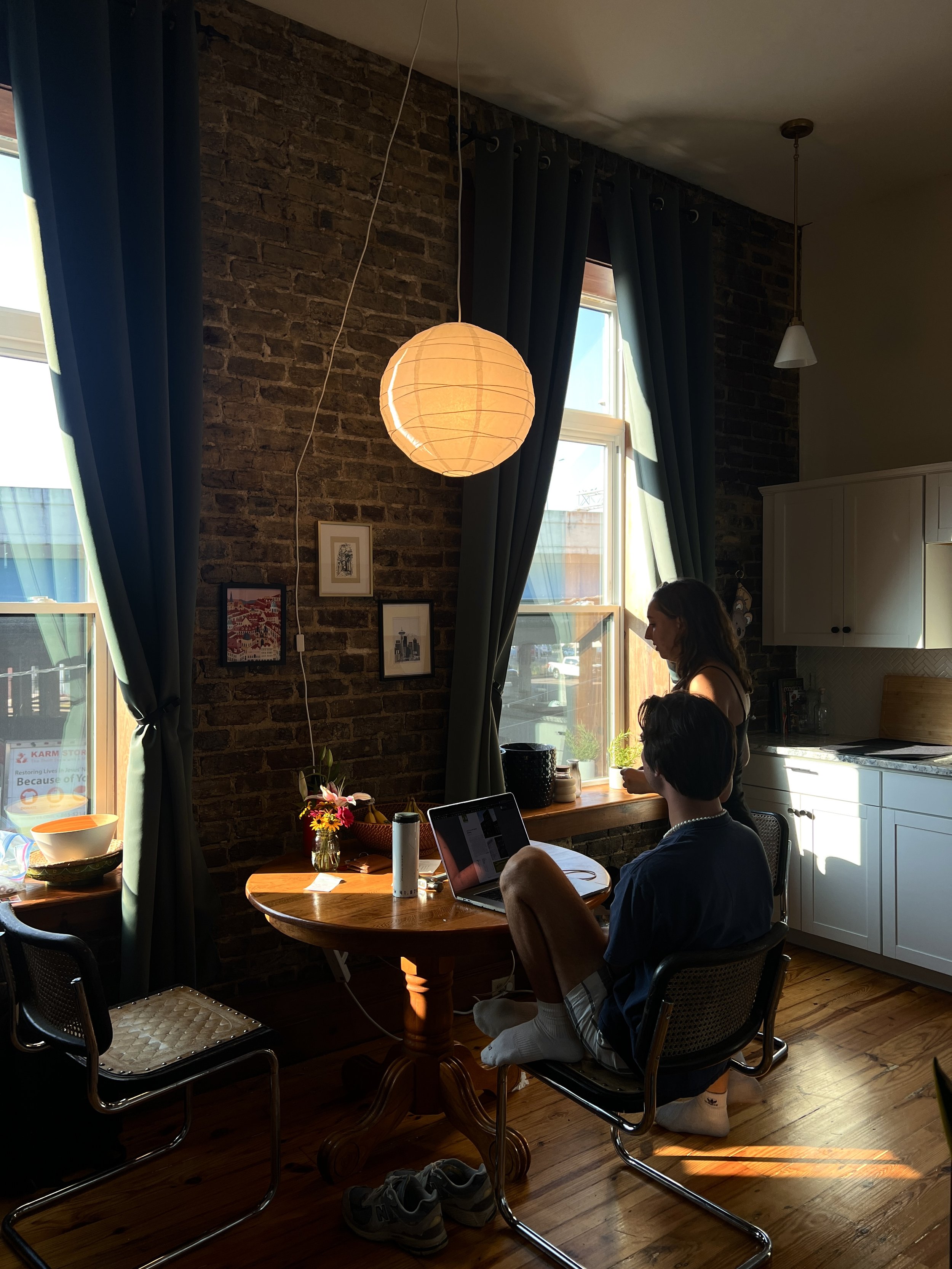
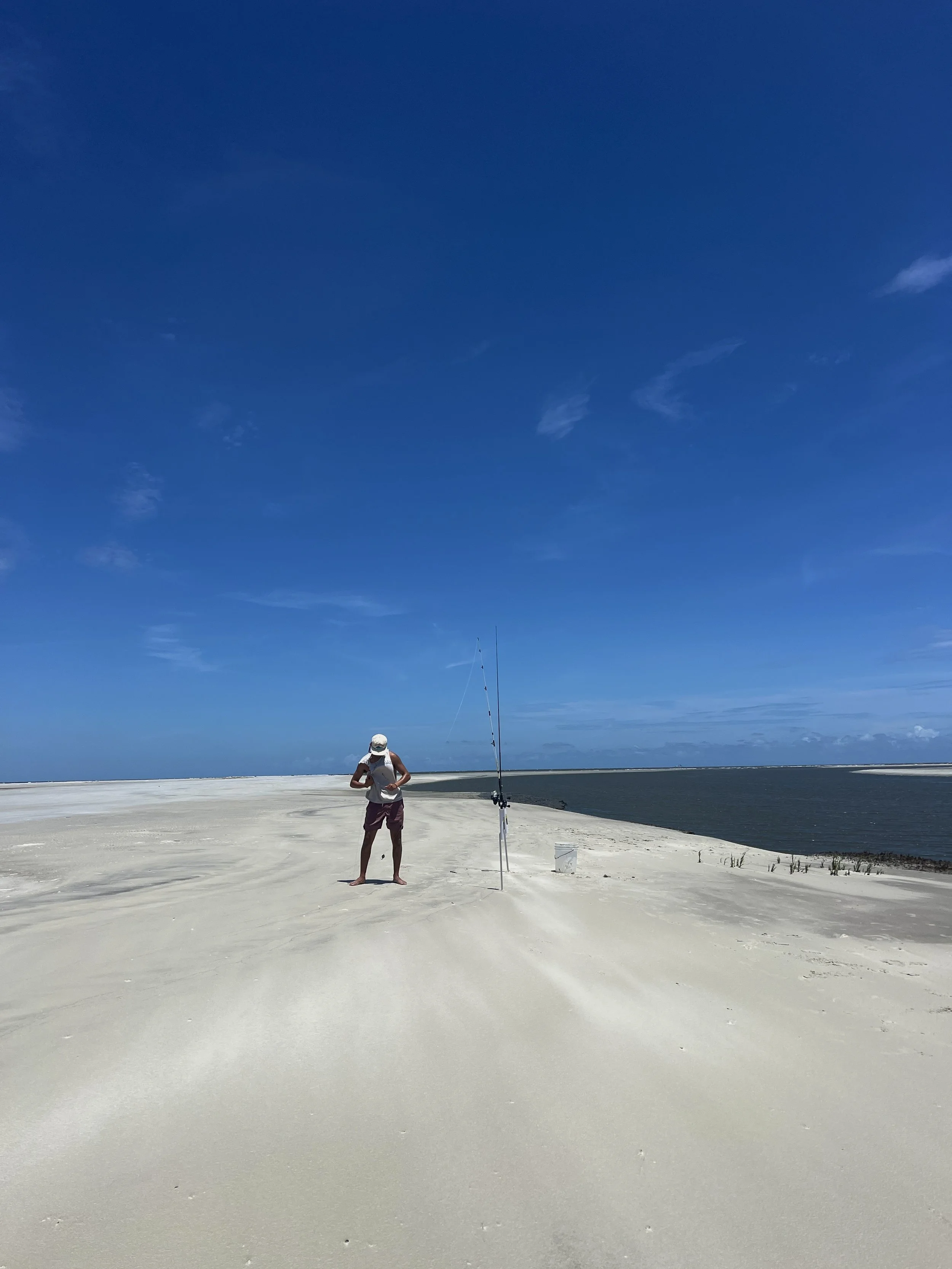
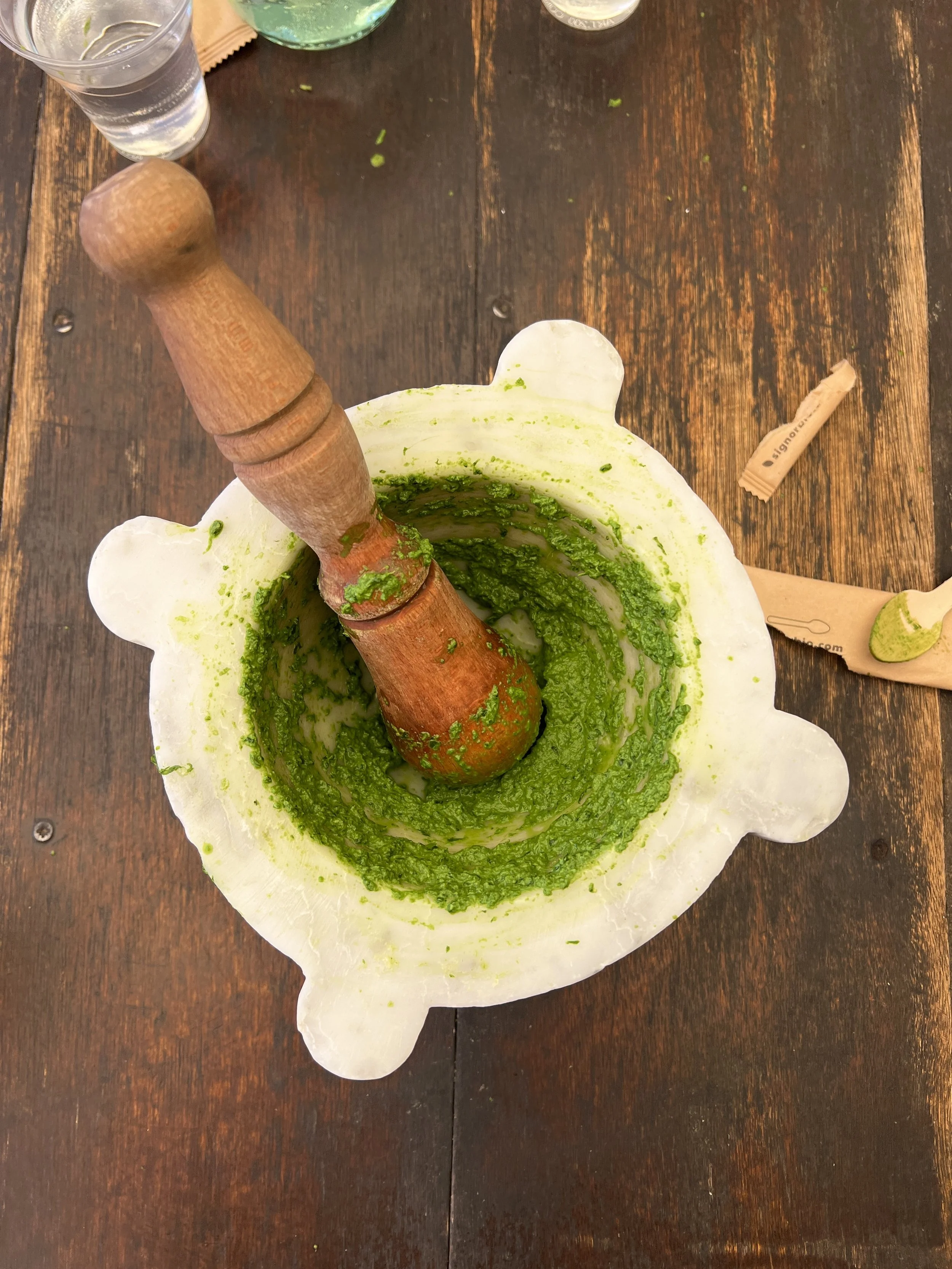
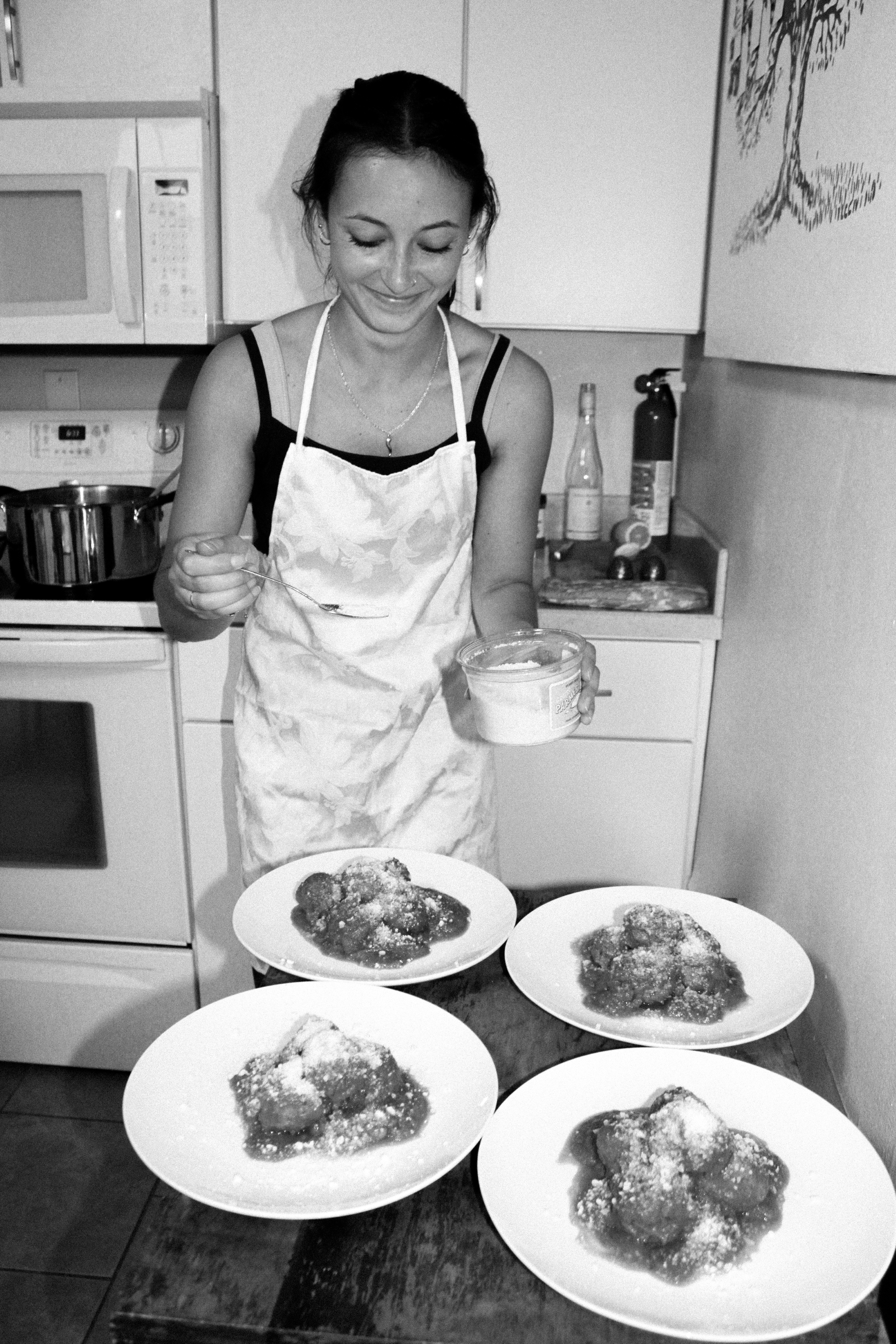
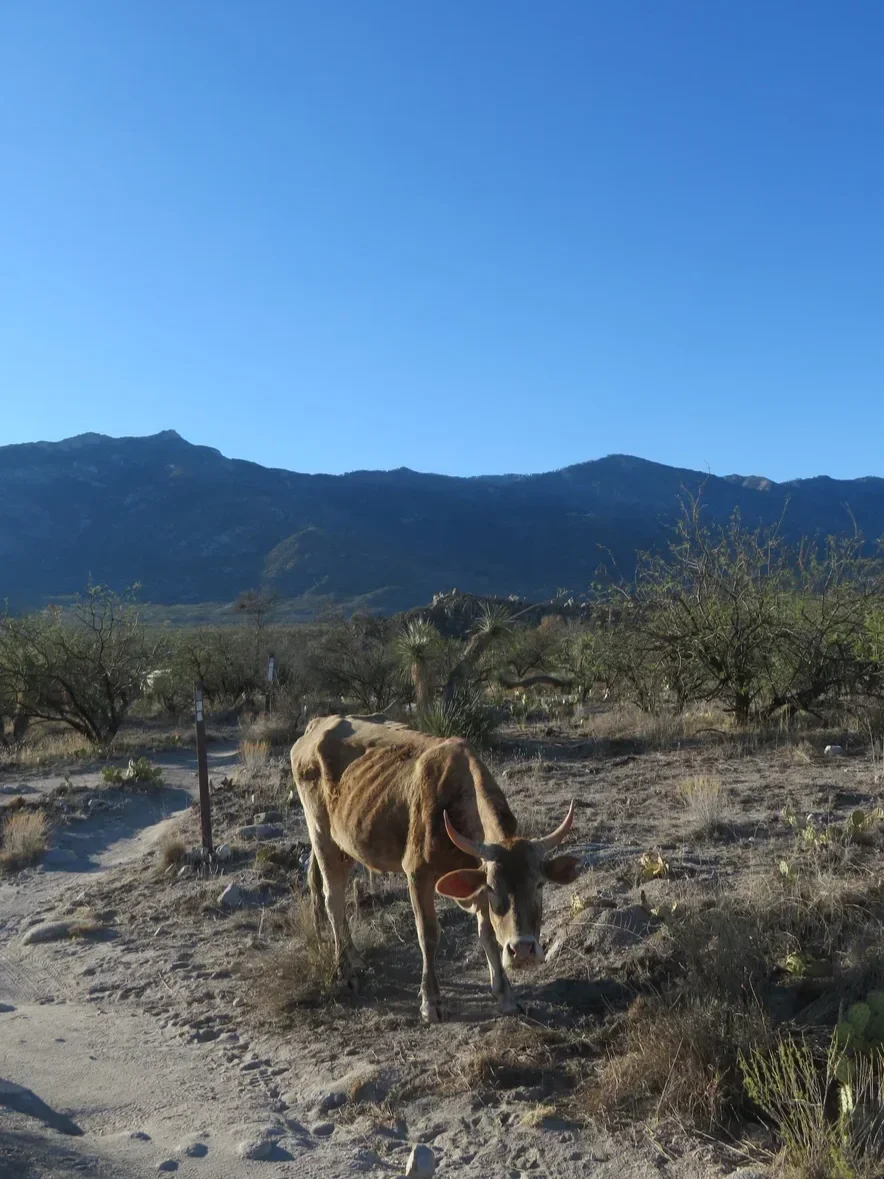
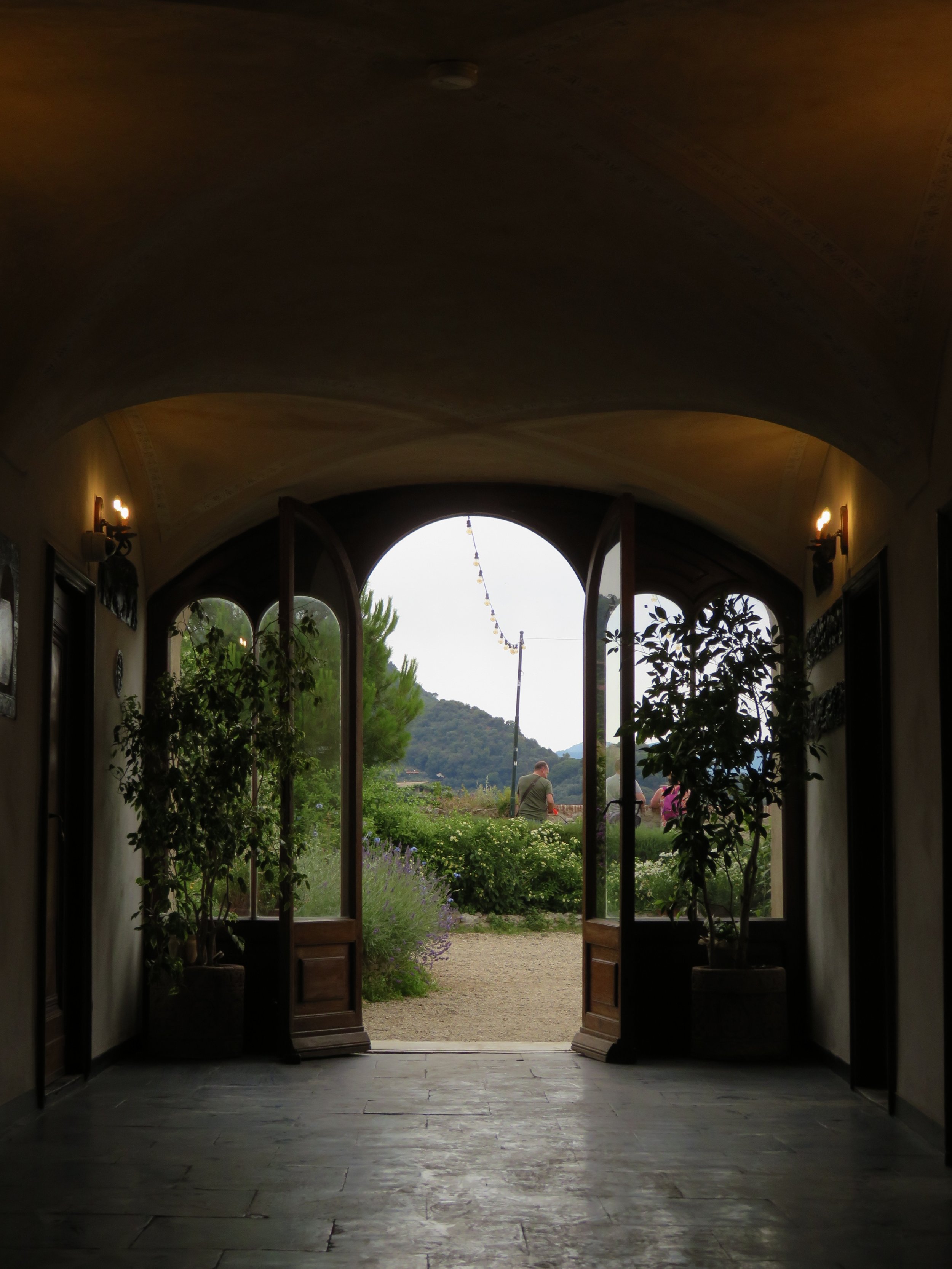
Across the globe, people embody a system of daily habits that act as strides towards connection, nourishment, and purpose. These factors adopt to local ecologies like natural food growth, climate conditions, and shared rhythms of work and play. This thesis explores how architecture can engage and build upon these ecologies to cultivate spaces that sustain a higher quality of living. Through research of the “Blue Zones”, theories of ecological design, and cross-cultural case studies, this document seeks to translate the patterns of fulfilled living into architectural principles that bridge the empirical and the experiential. As research progressed, the concept of treating longevity as an end goal shifted focus toward designing for fulfillment as a lived condition, shaped through repeated practices and relationships to our greater ecological context.
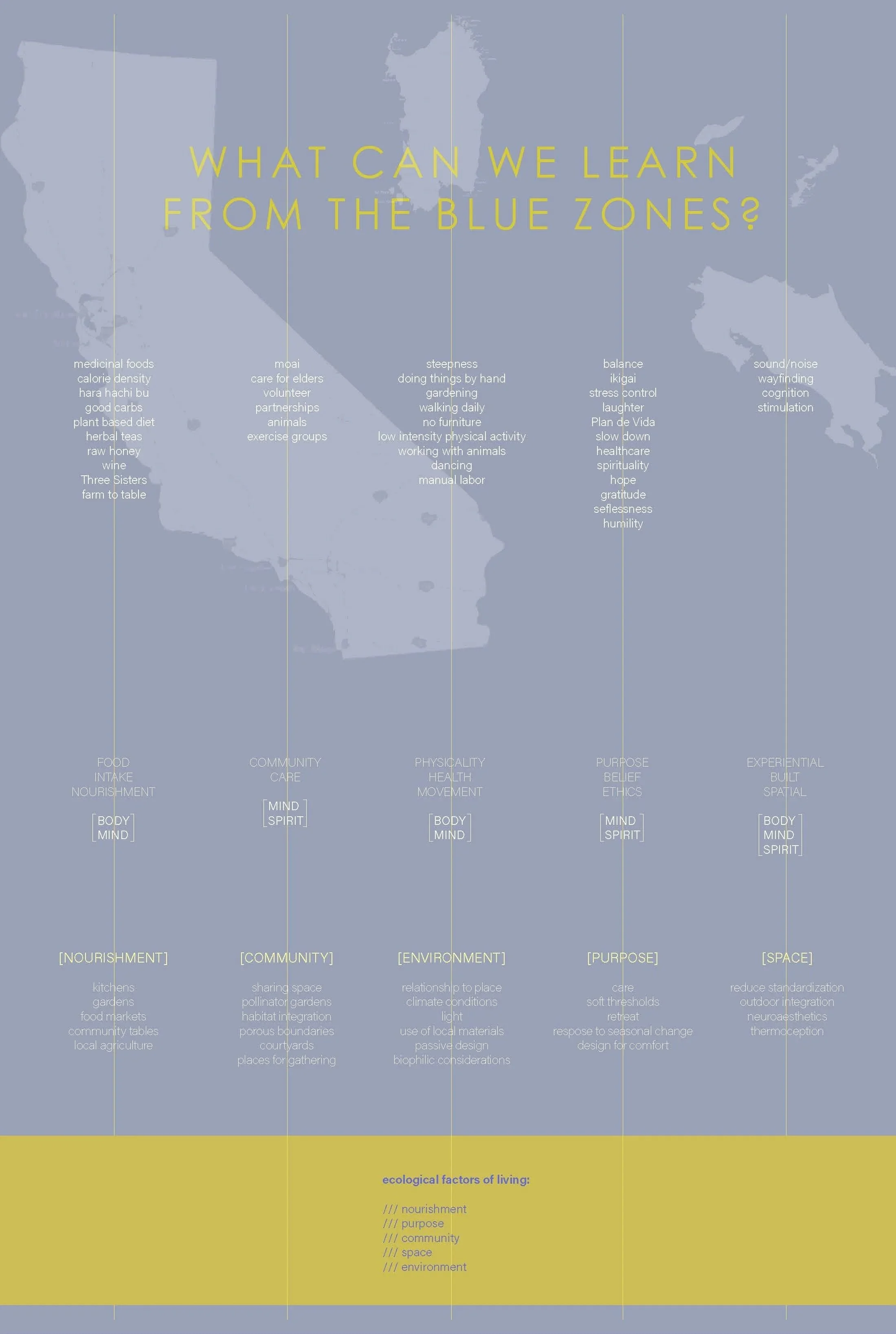

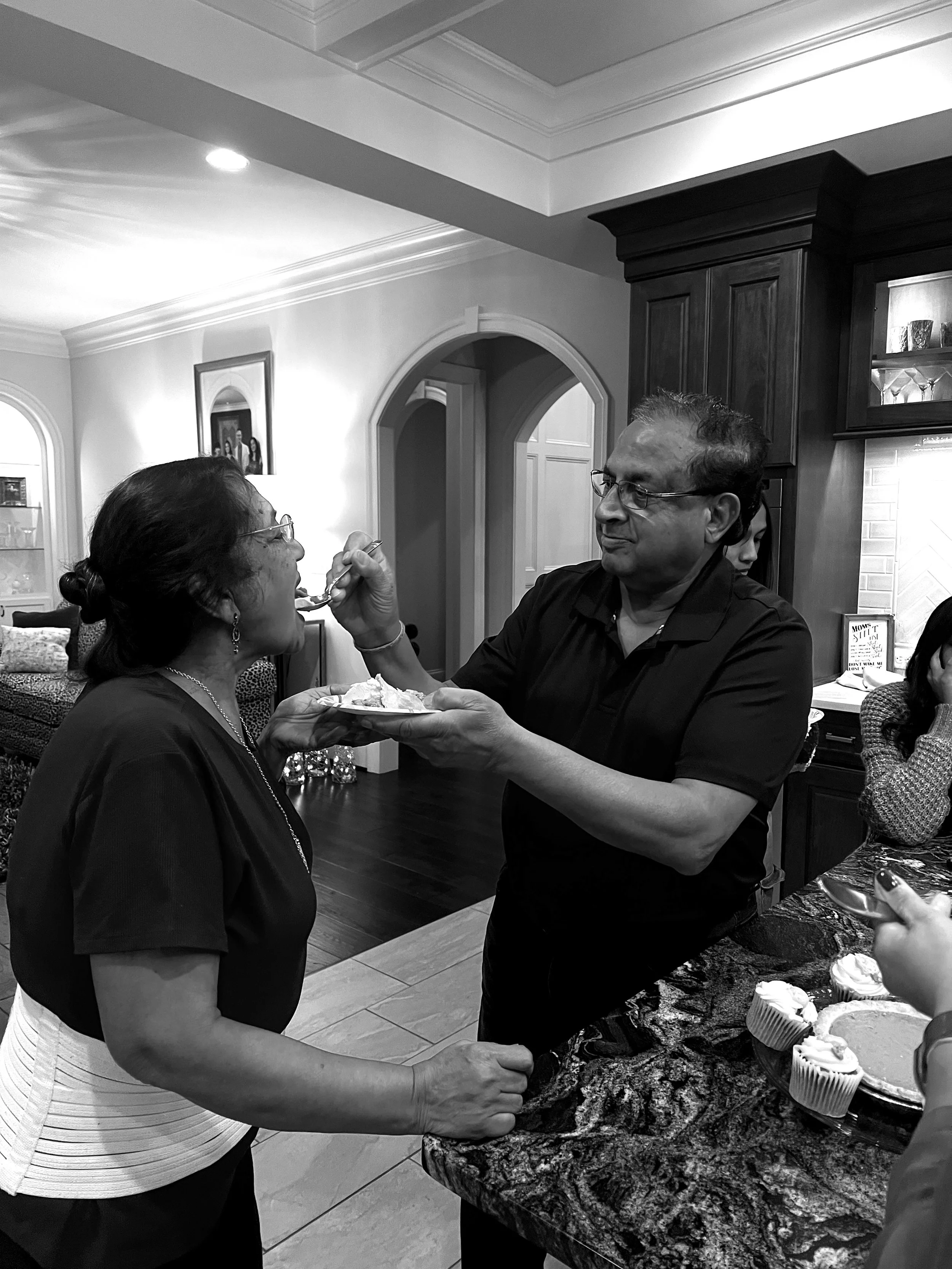
The research is structured through five elements: nourishment, community, environment, purpose, and space. These are not discrete categories but interdependent forces that operate together. These elements aid in structuring understanding of how patterns of daily life: how people eat, gather, move, and relate to their environment, contribute to long term well-being. Nourishment is understood as both physical sustenance and a broader intake that supports the body and mind. Community is formed through shared rituals and patterns of gathering. Environment establishes the ecological and climatic context that informs daily life. Purpose emerges through routine and reason. Space acts as the medium through which these relationships are made tangible, shaping how they are experienced and sustained.
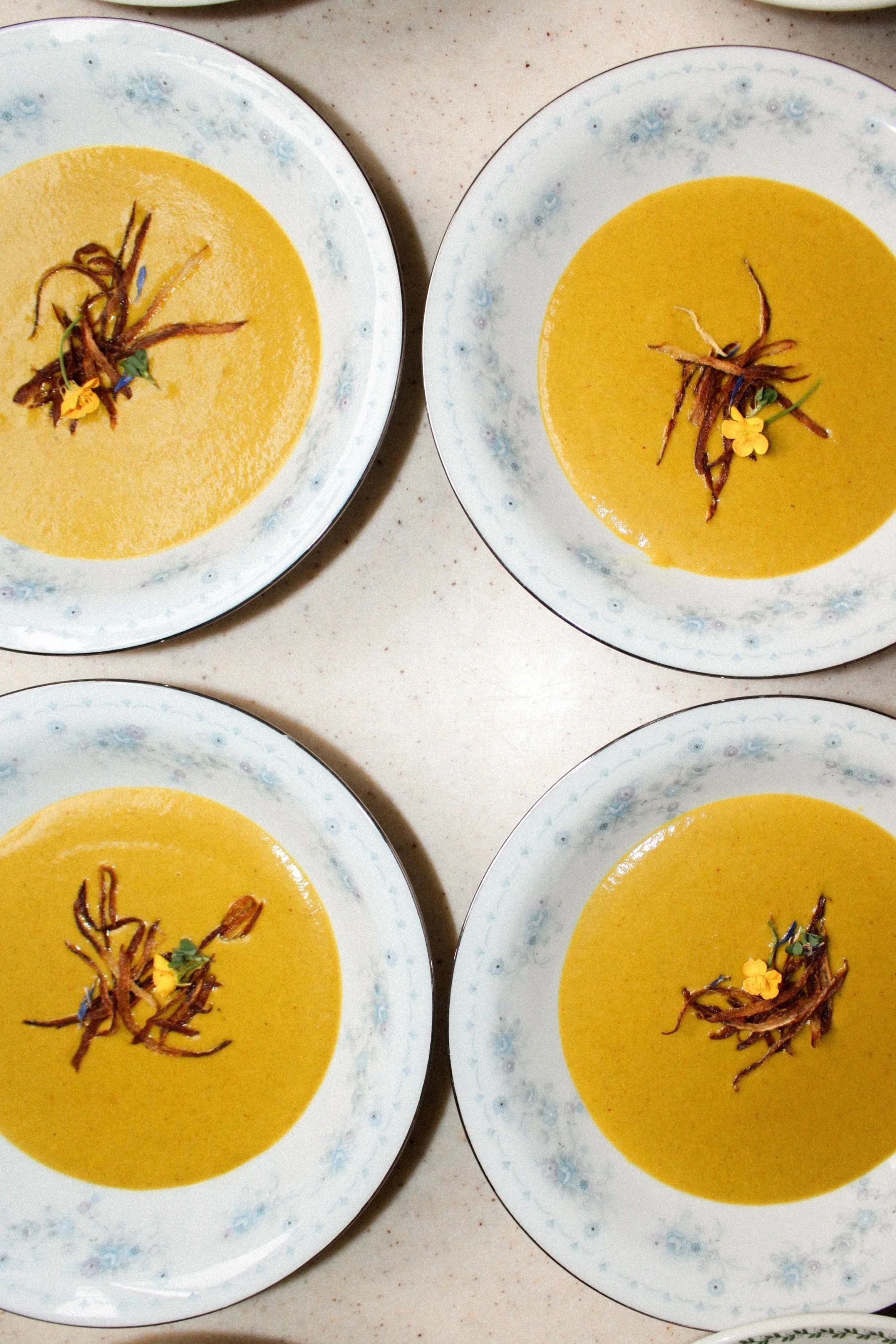
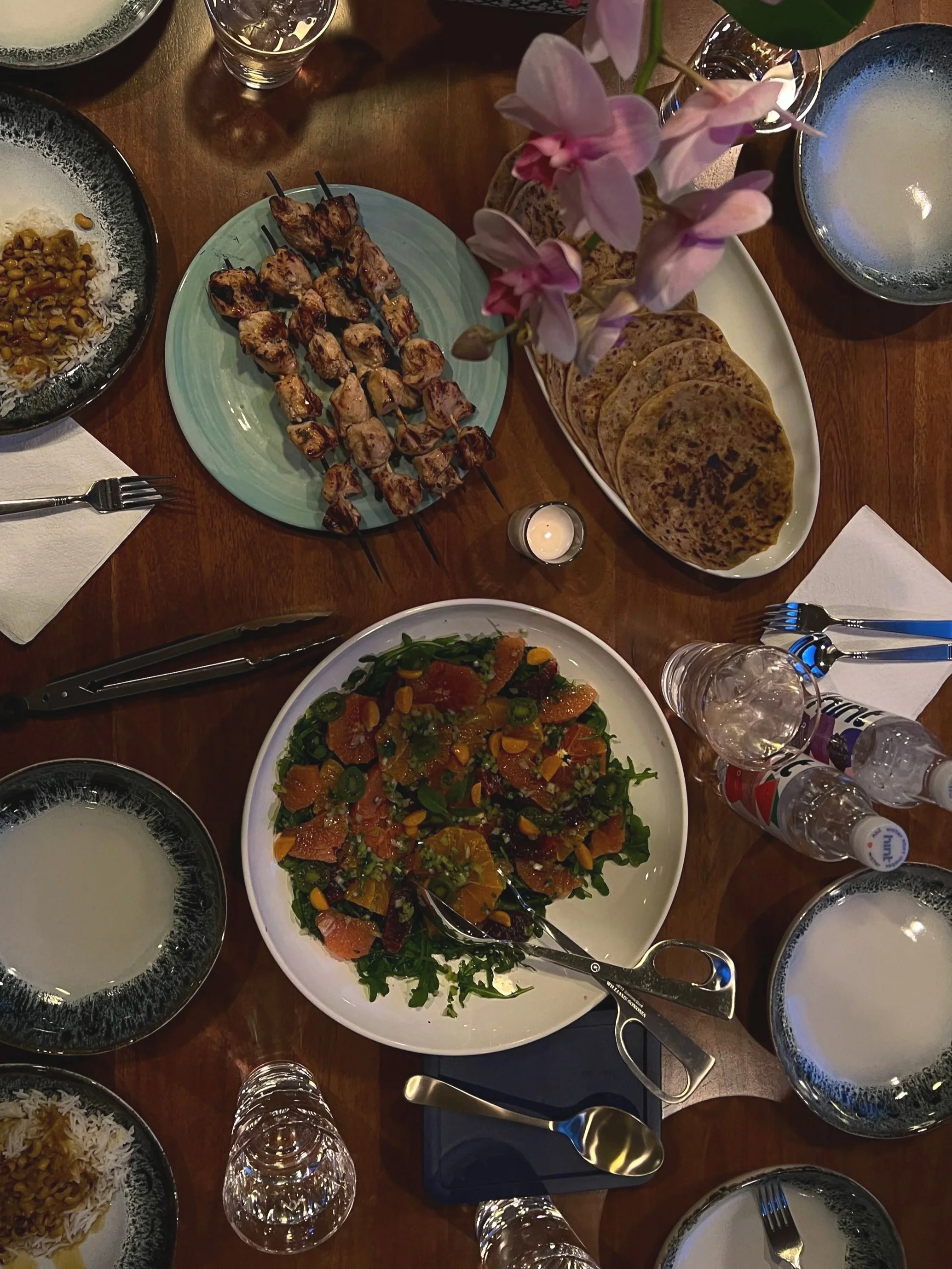
In studying this practice, I draw from the work of artist Alan Wexler and architect Michael Yarinsky on the New Futurist Cookbook, which reframes eating as a spatial and sensory experience, allowing us to appreciate the beauty in the mundane. Sitting down to have a meal can create space to slow down, to observe, and to recognize the significance of everyday practice. In designing a five-course meal experience for my classmates, I worked to translate this understanding into a designed sequence. Each course becomes an environment that engages the senses and frames interaction. Light, texture, color, and taste produce shifting conditions that unfold over time. Through this progression, the meal moves beyond consumption into a spatial narrative that activates perception and invites reflection on our relationship to food and to one another. By developing a visual and edible language, this continuation creates a renewed awareness of how nourishment operates within daily life.
I am excited to continue developing this work as a foundation for my future design practice, using it as a lens through which to explore how architecture can more intentionally shape meaningful, connected, and fulfilling ways of living.