ROME STUDIO
SPRING 2025
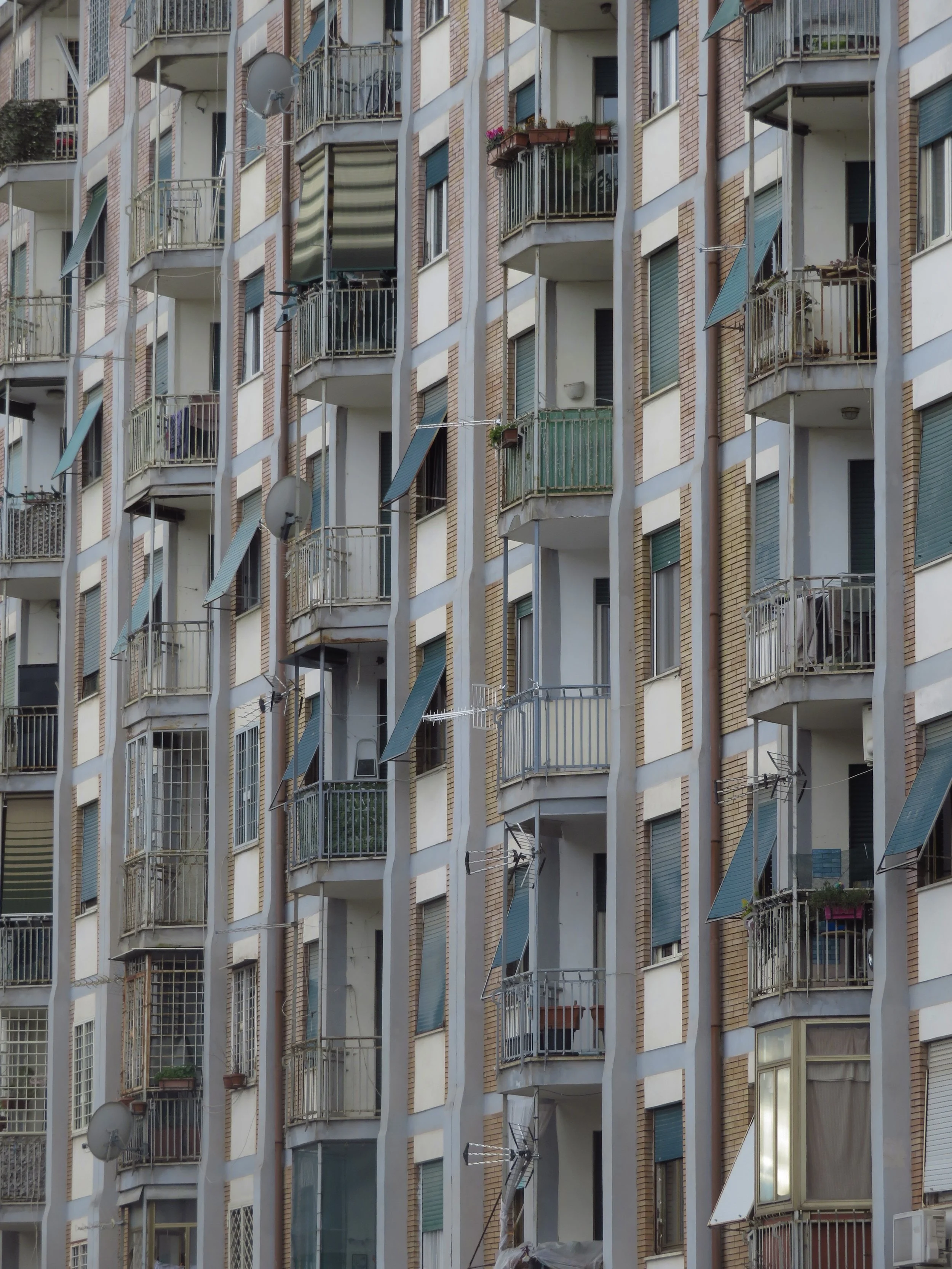
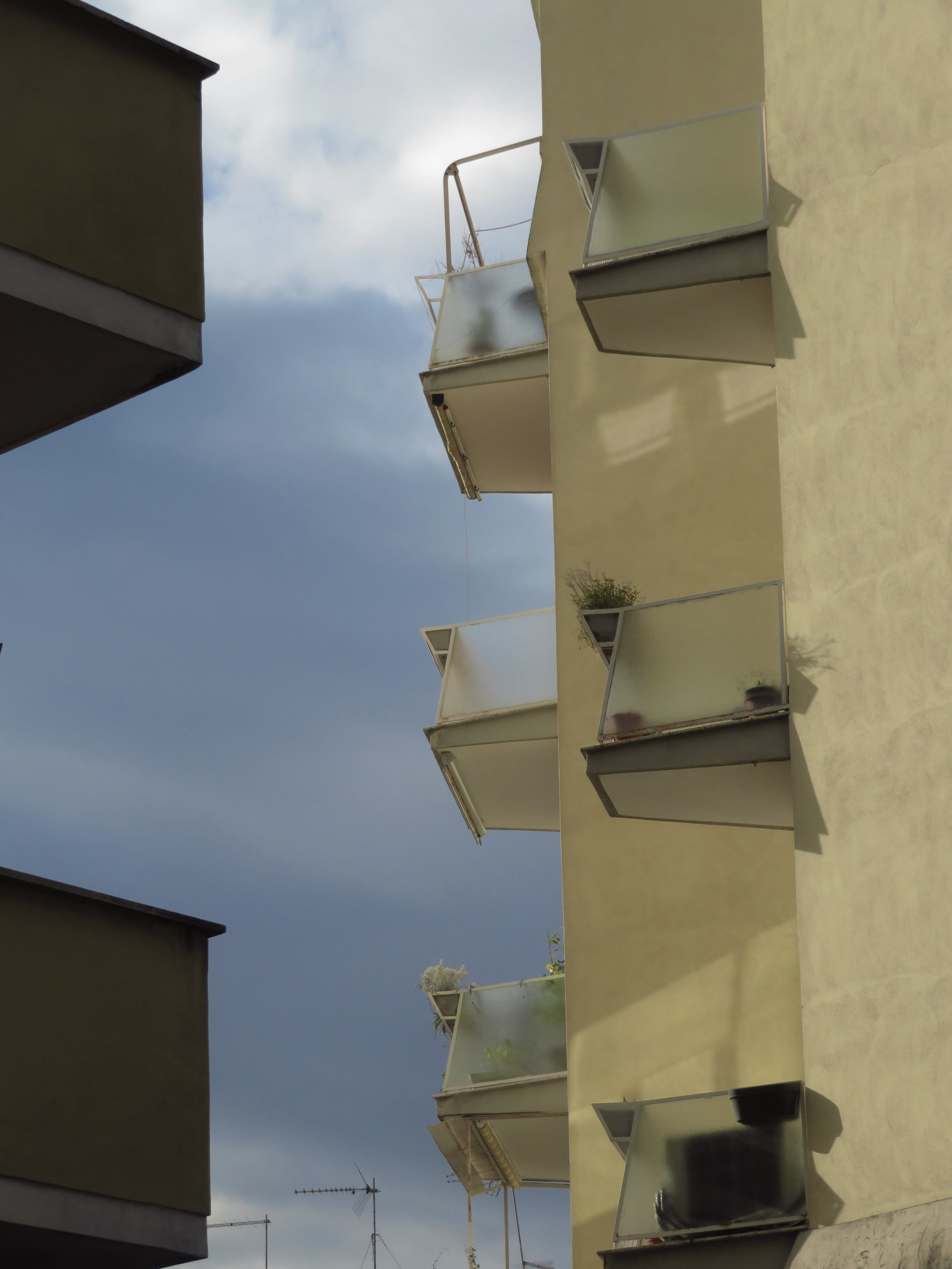
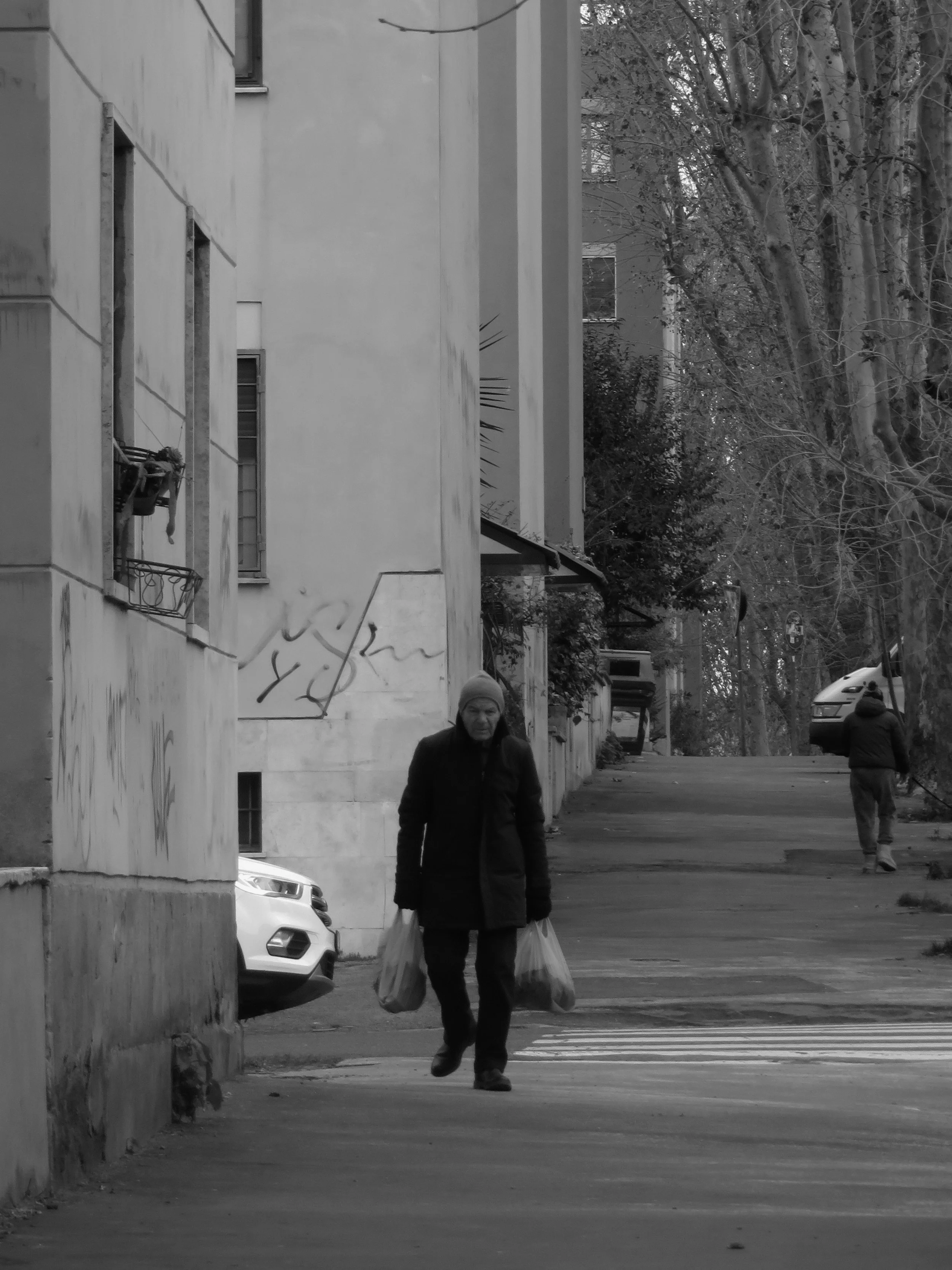
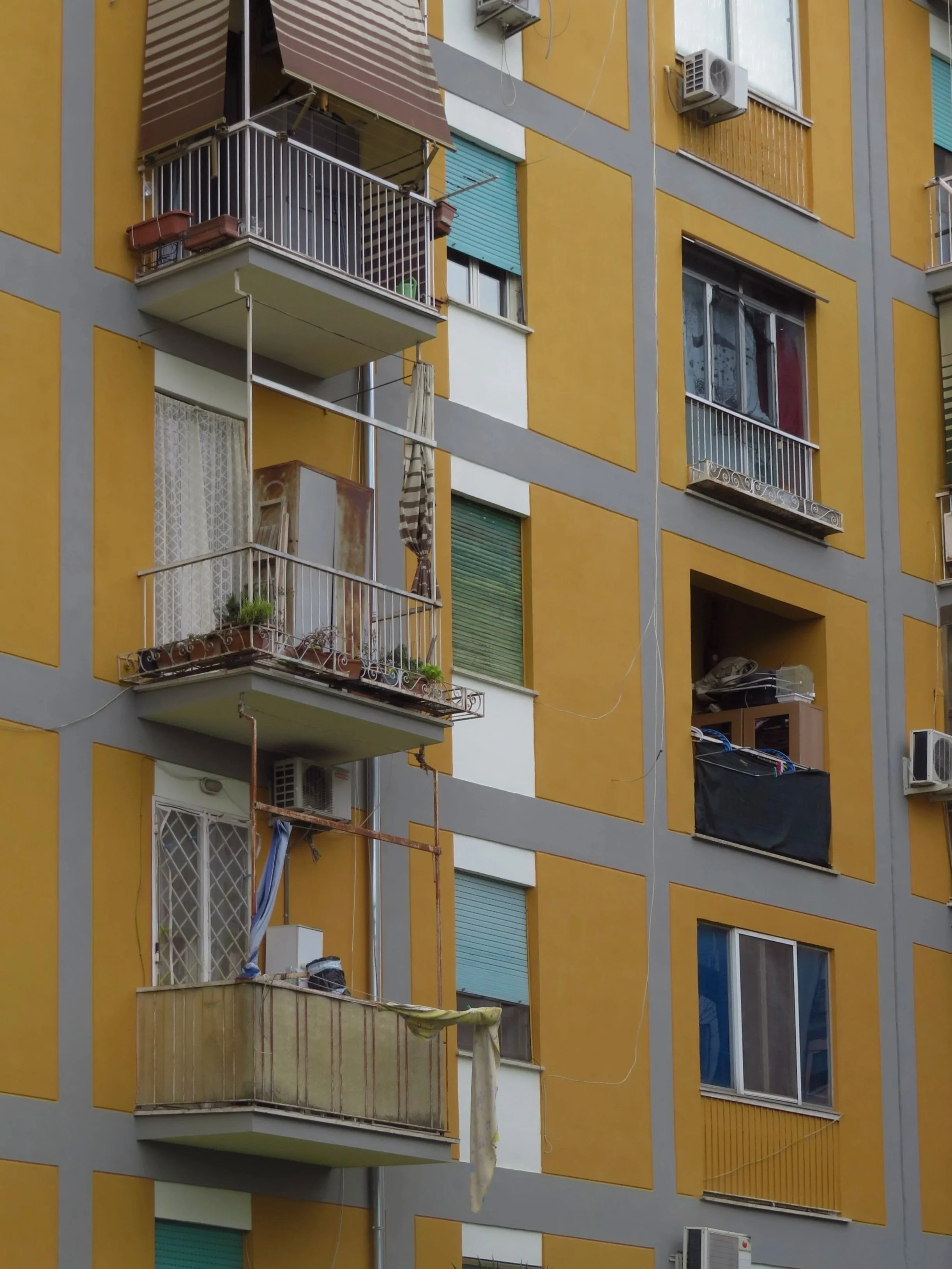
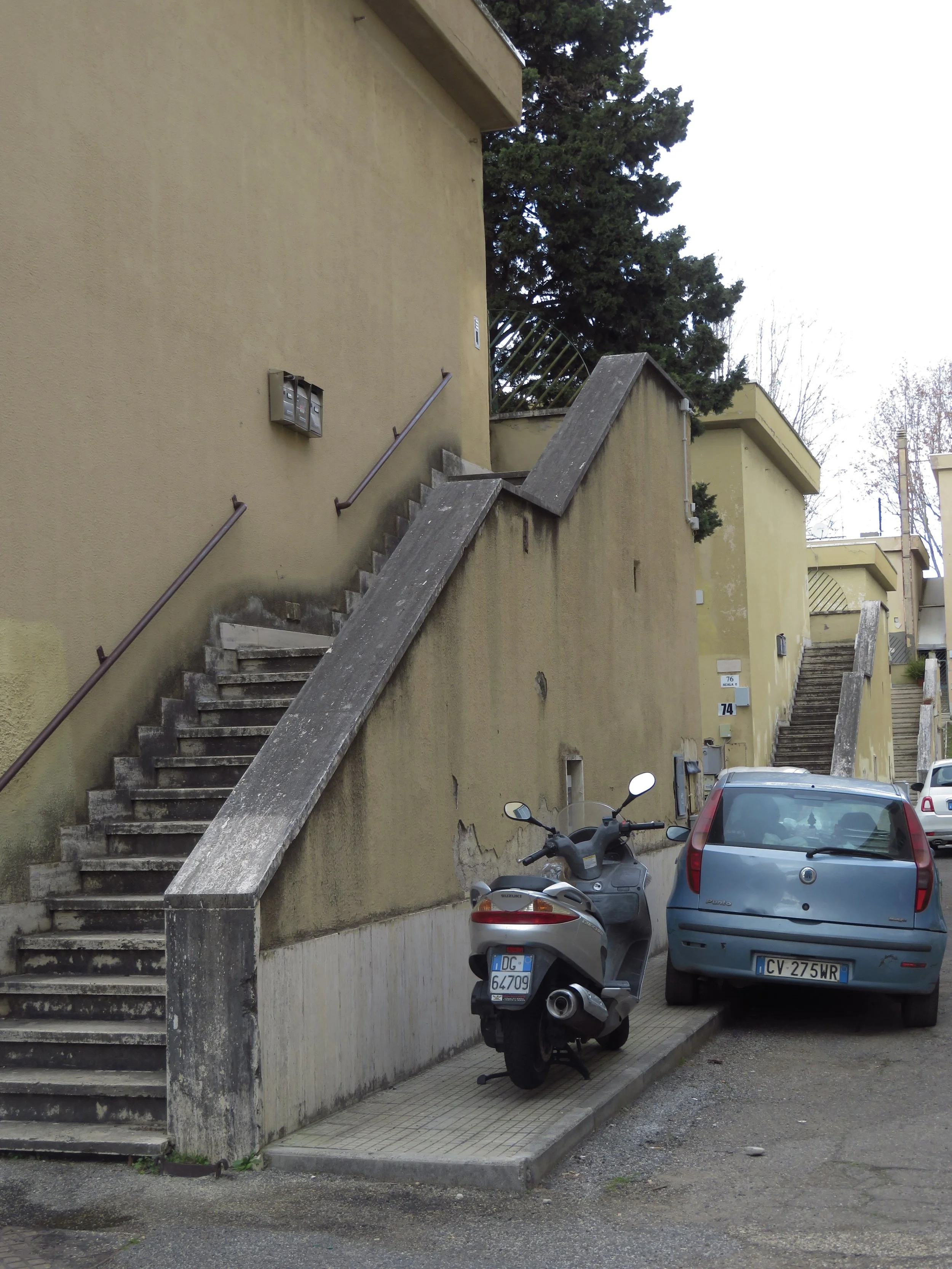
While studying abroad in Rome, Italy, I participated in a masterplanning studio. Our site was Tufello, a small neighborhood located in northeastern Rome and bordered by Via di Val Melaina, Via delle Vigne Nuove, and Viale Jonio. This neighborhood holds the essence of multiple generations and displays them through its building typologies and neighborhood culture. Working in groups, we began surveying the neighborhood, taking photos, building a site model and, my group specifically, interviewing locals.
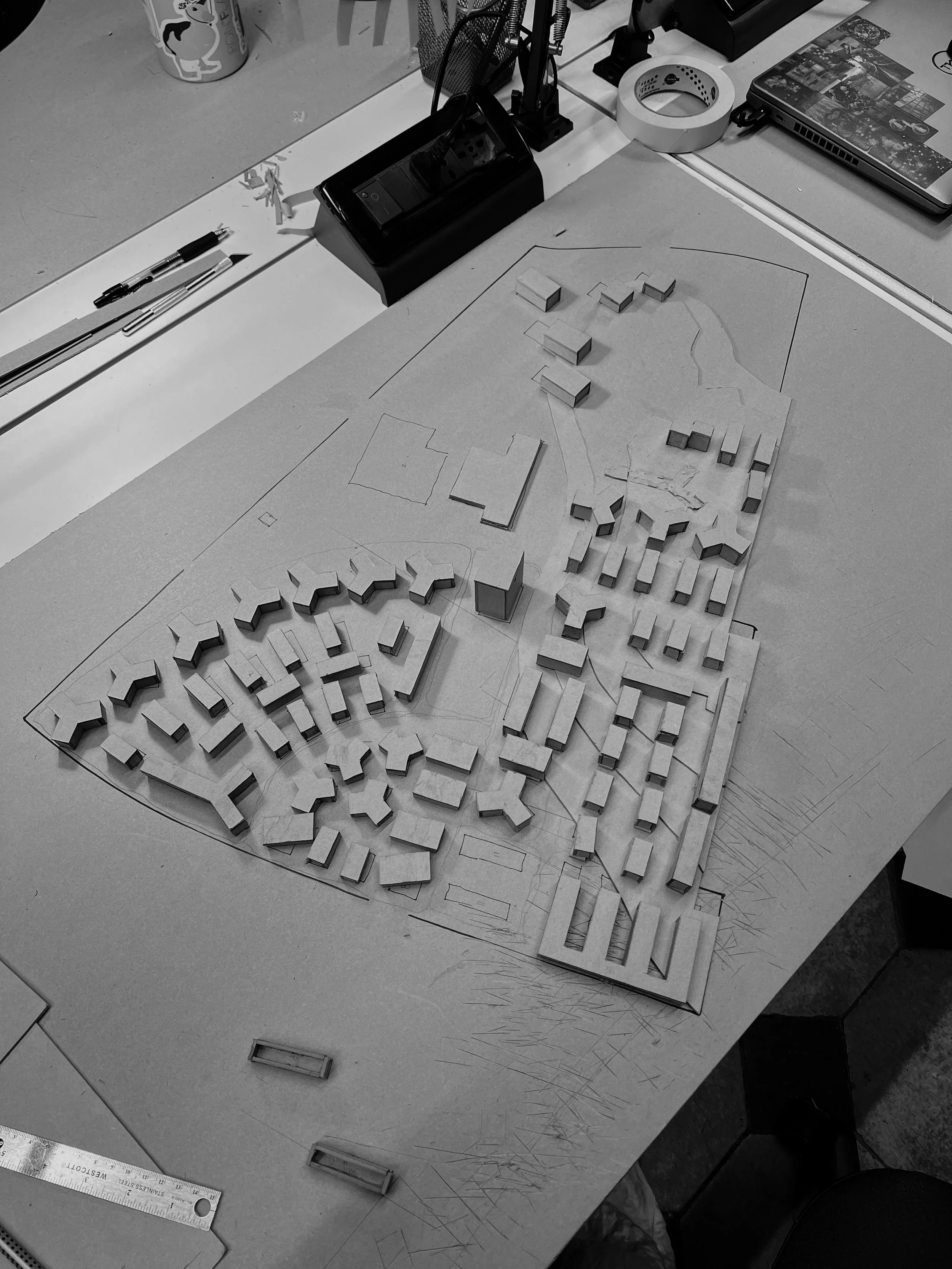
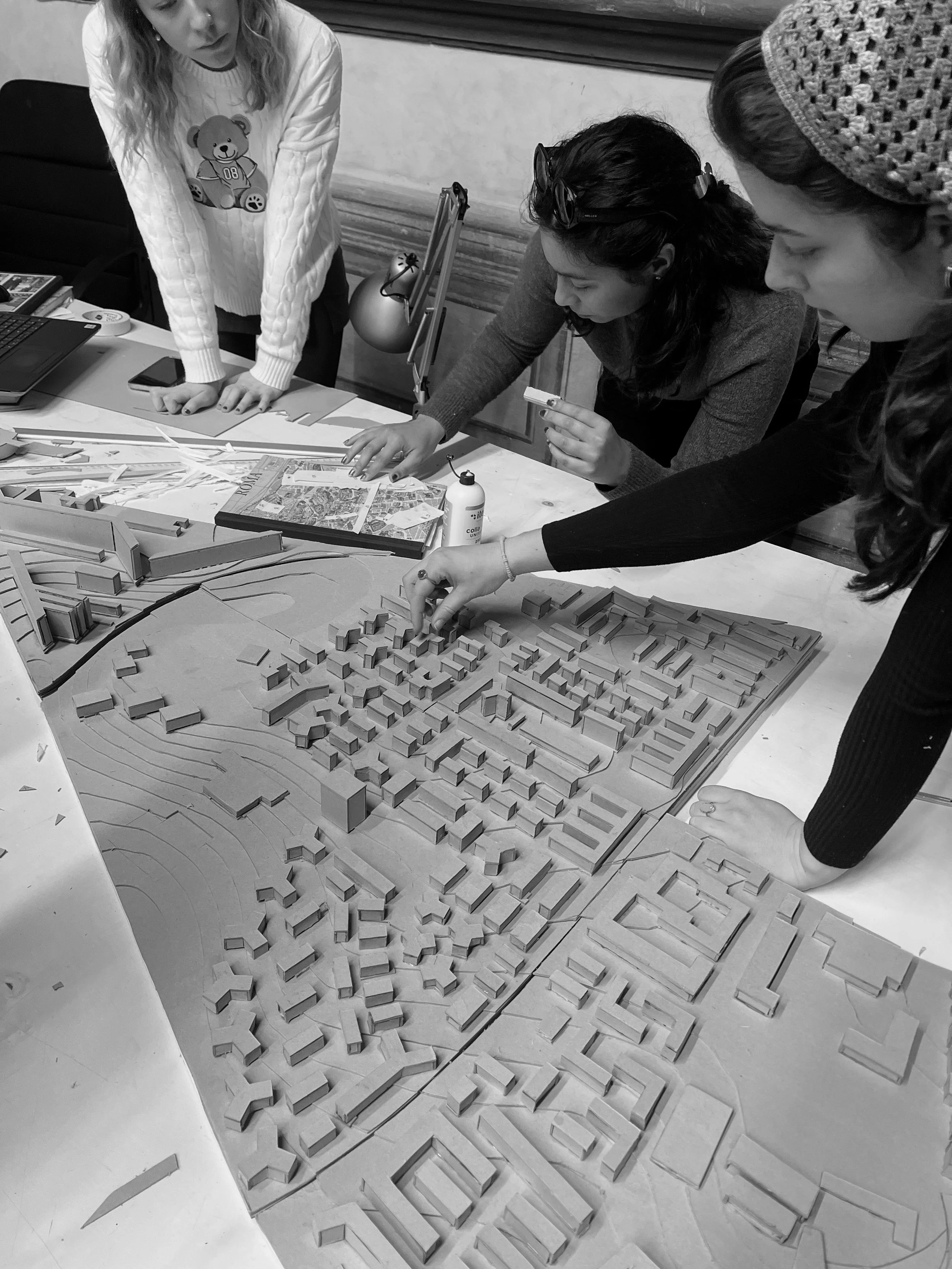
Site Plan Fabrication
The Rome Center’s laser cutters were down, so all site work was done by hand
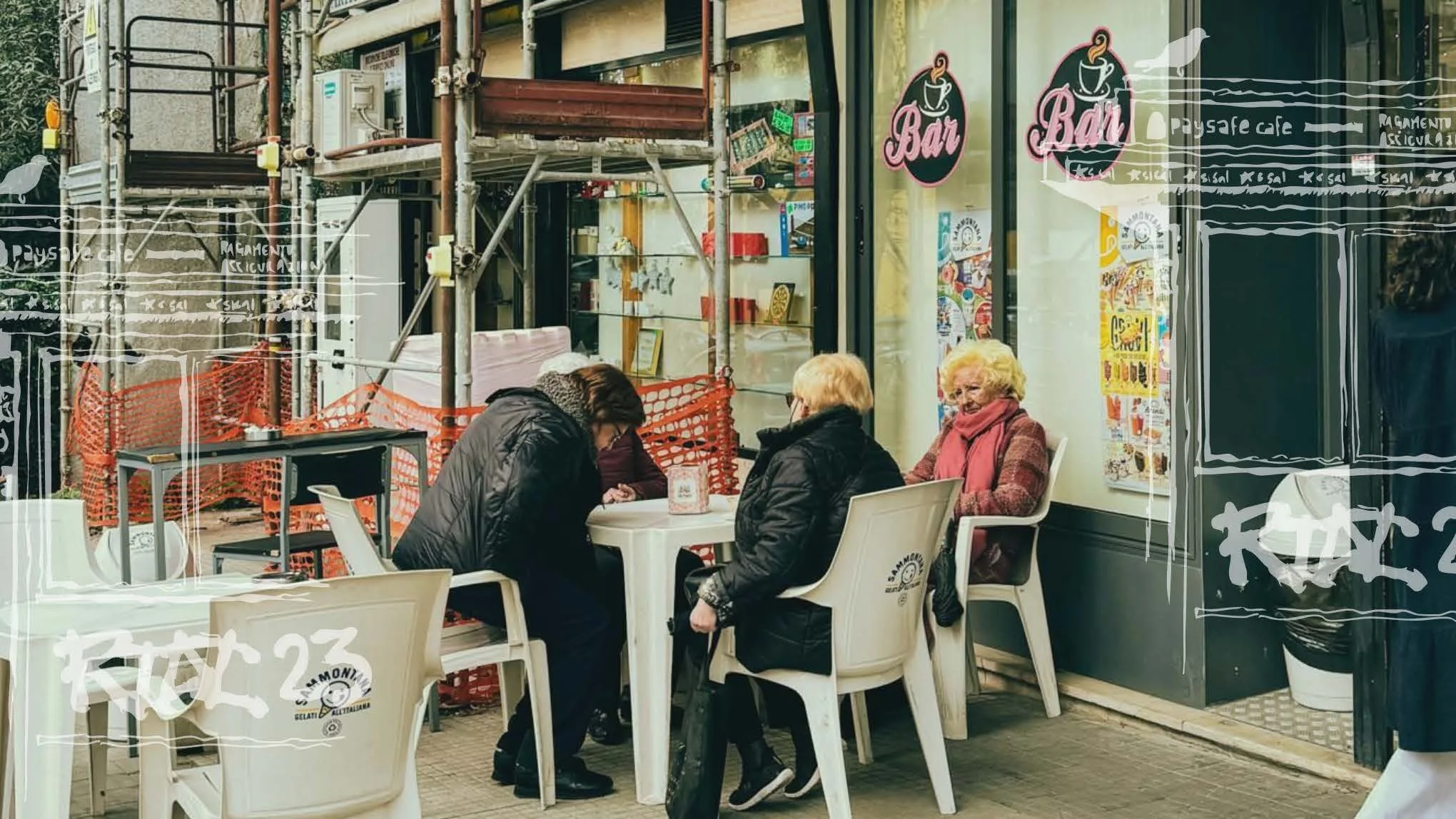
We conducted a series of interviews, both in Italian and English, to gain a better understanding of the community’s thoughts and desires. Our findings suggested a general sense of disappointment and desire for more intentional use of public spaces, however, the sense of community and support was consistently strong. We learned that Italians are attached to their neighborhoods and will typically pass down living spaces from generation to generation. Many residents felt that there were no identifiable hotspots to bring people to the neighborhood. Additionally, many residents suggested that the Metro stop in the neighborhood was used more for utility rather than an area for congregation or community. The general consensus was that Tufello is experiencing a form of “gentrification,” and residents felt that the “allegria,” or joy, needed to be restored.
The Masterplan
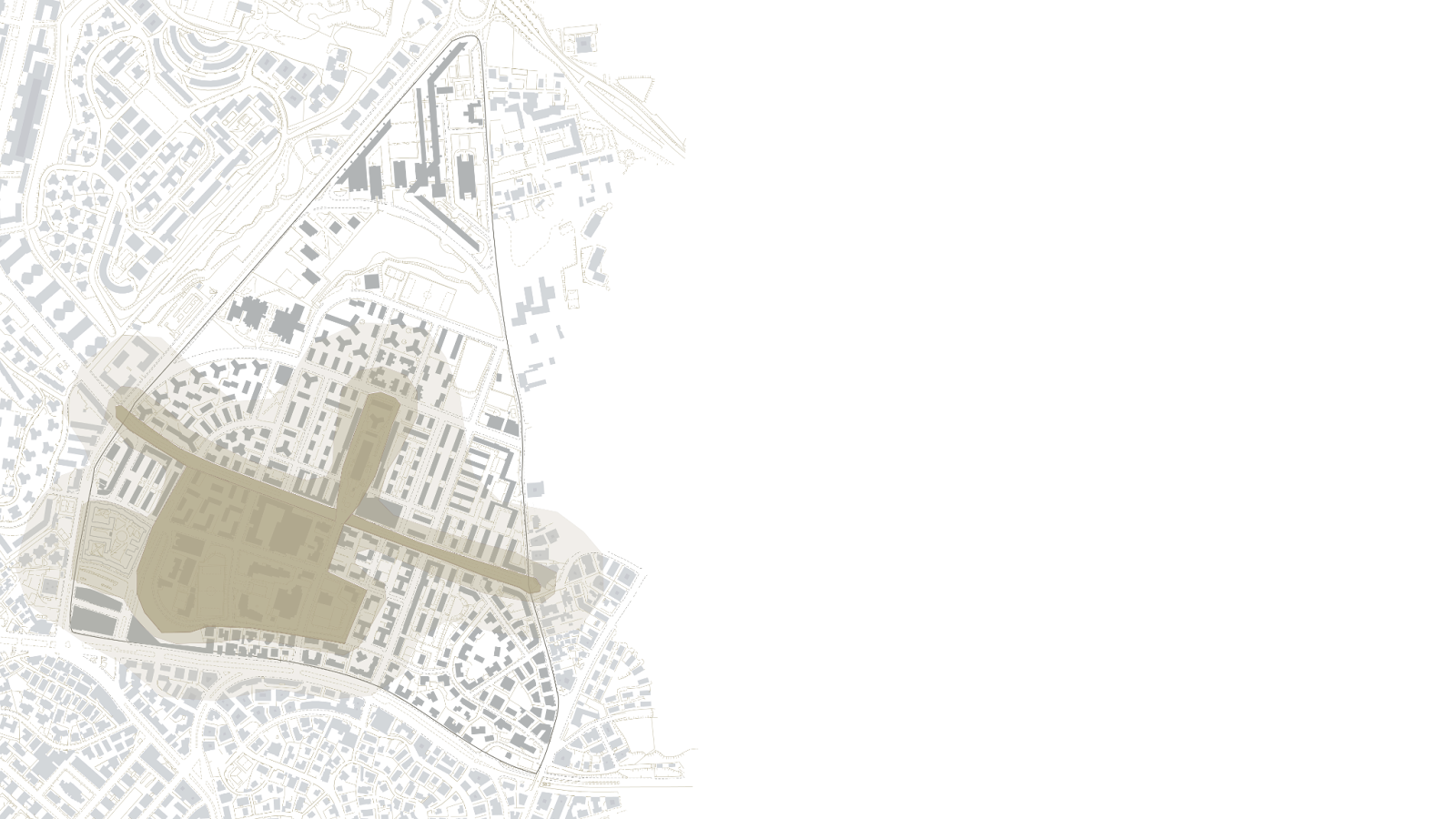
Our masterplan aims to target the most densely populated and active areas of Tufello. This includes the main market, the schools, the metro which are are central to the surrounding housing constructs. (as shown in the map to the left)
Our masterplan is an effort to restore “l’allegria” in Tufello. We intend to do so by reincorporating natural elements with micro forested paths and community gardens; encouraging personal interactions with enclosed piazzas; introducing commerce with locations for kiosks and small market spaces; incorporating color with playgrounds and performance spaces; and overall, promoting better security for Tufello's residents.
We have classified the community by age range and want to encourage interaction between individuals. By reimagining existing ‘primary spaces,’ and supporting those areas with ‘third spaces’ that are multi-purposed for gathering, cultivating, and connecting, we can hope to eventually bring back l'allegria.
BREAKING DOWN THE BARRIERS
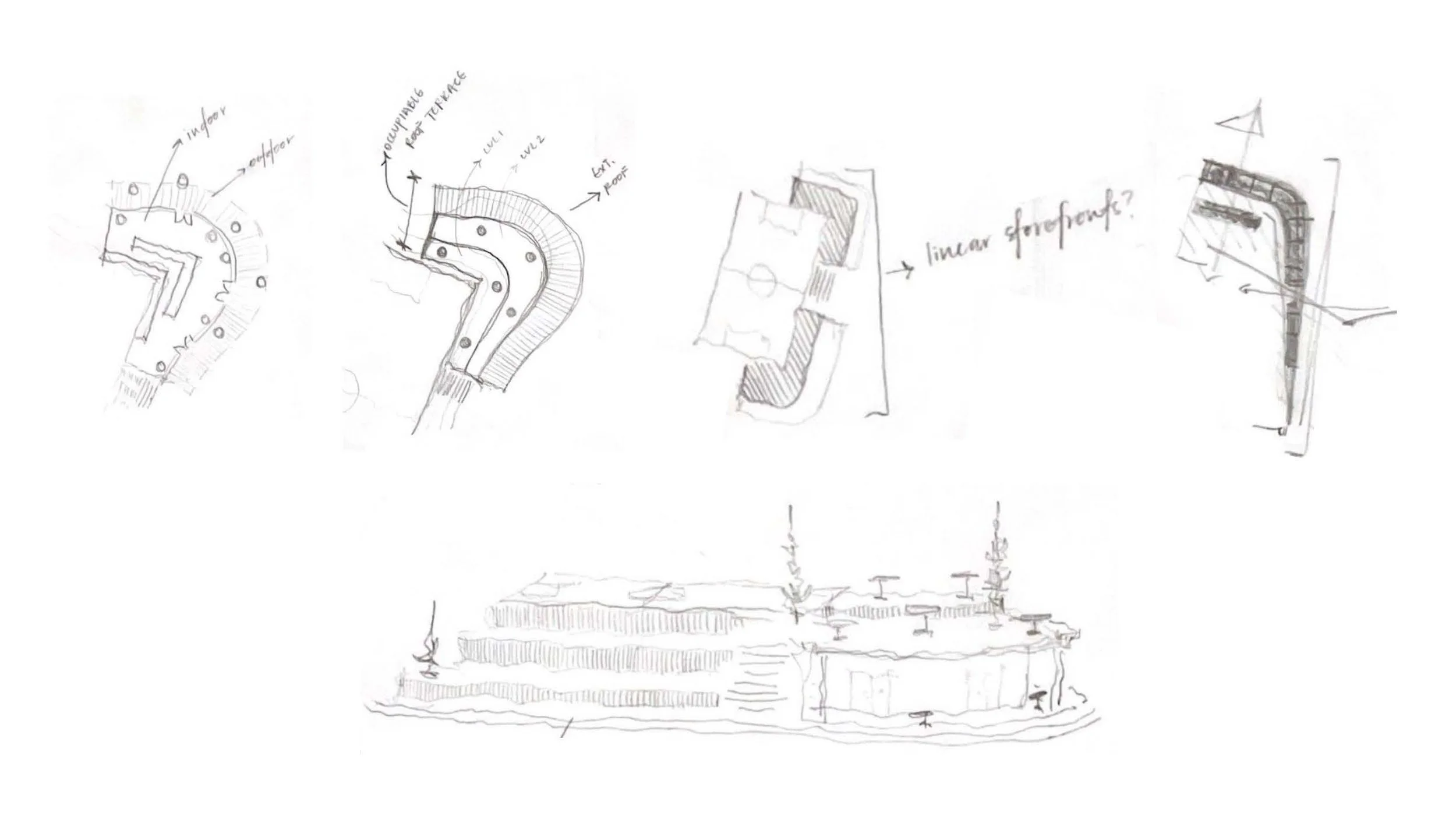
Moving into individual phasing projects, I choose to hone in on one of the biggest distinctive barriers located within our masterplan bounds. Topographic changes between the school and the soccer fields and church create a visual and physical barrier, dividing the site and the activity that can happen across it. In the diagrams below, you can see the extent of these limitations. My goal is to break down this barrier and create a sense continuity and flow throughout the site.
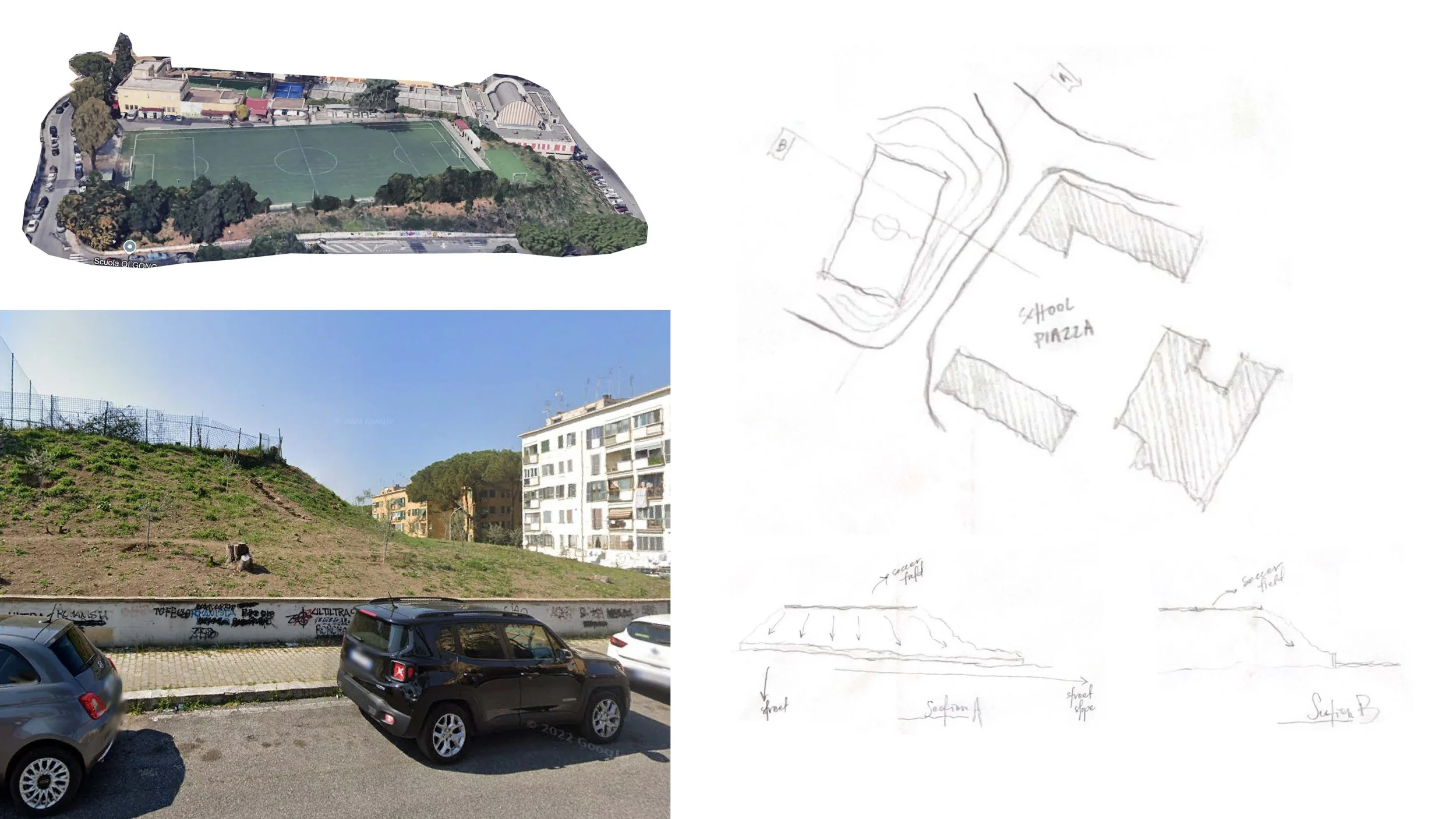
Initial sketches exploring potential iterations for barrier intervention in plan and section.
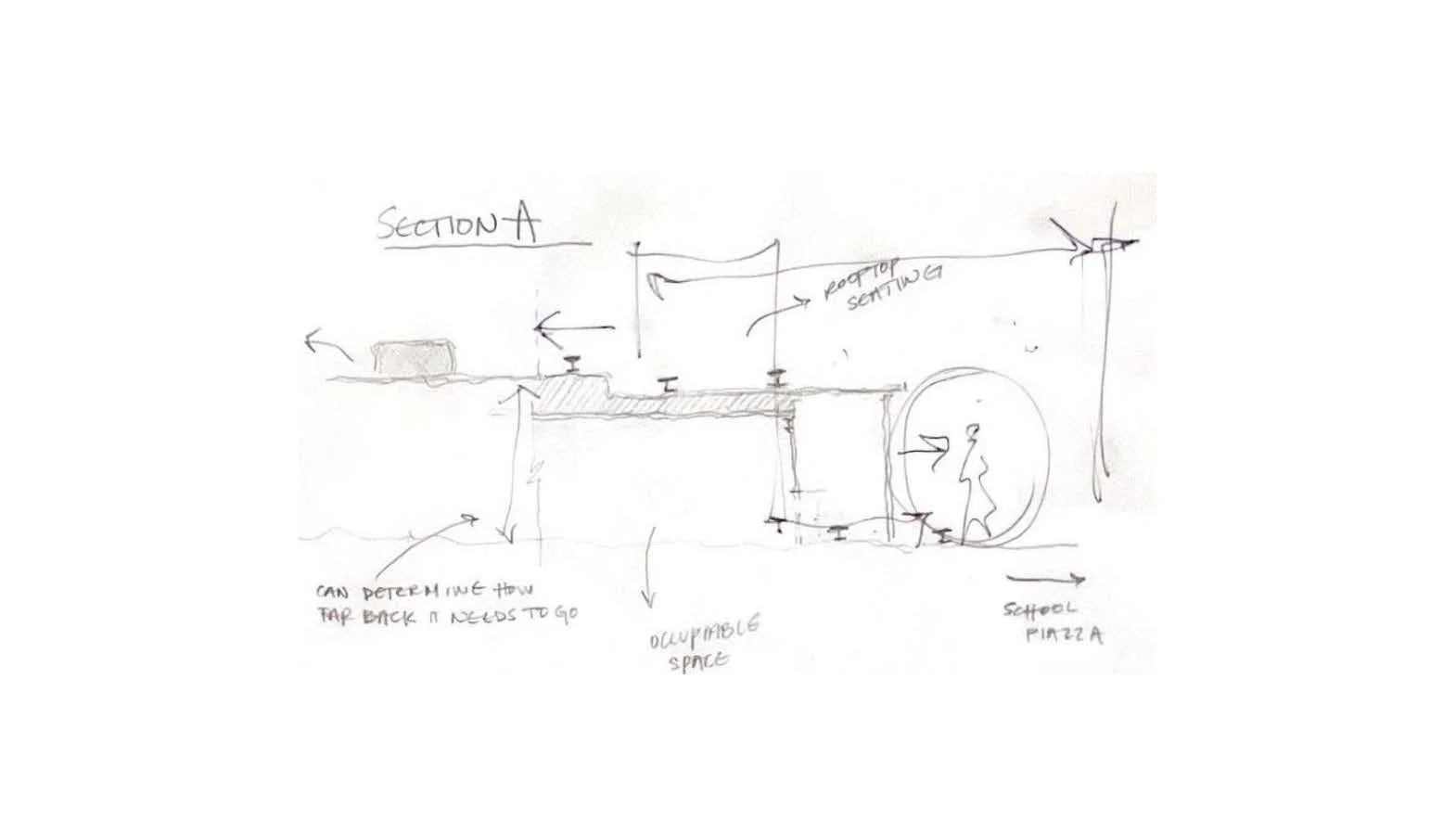
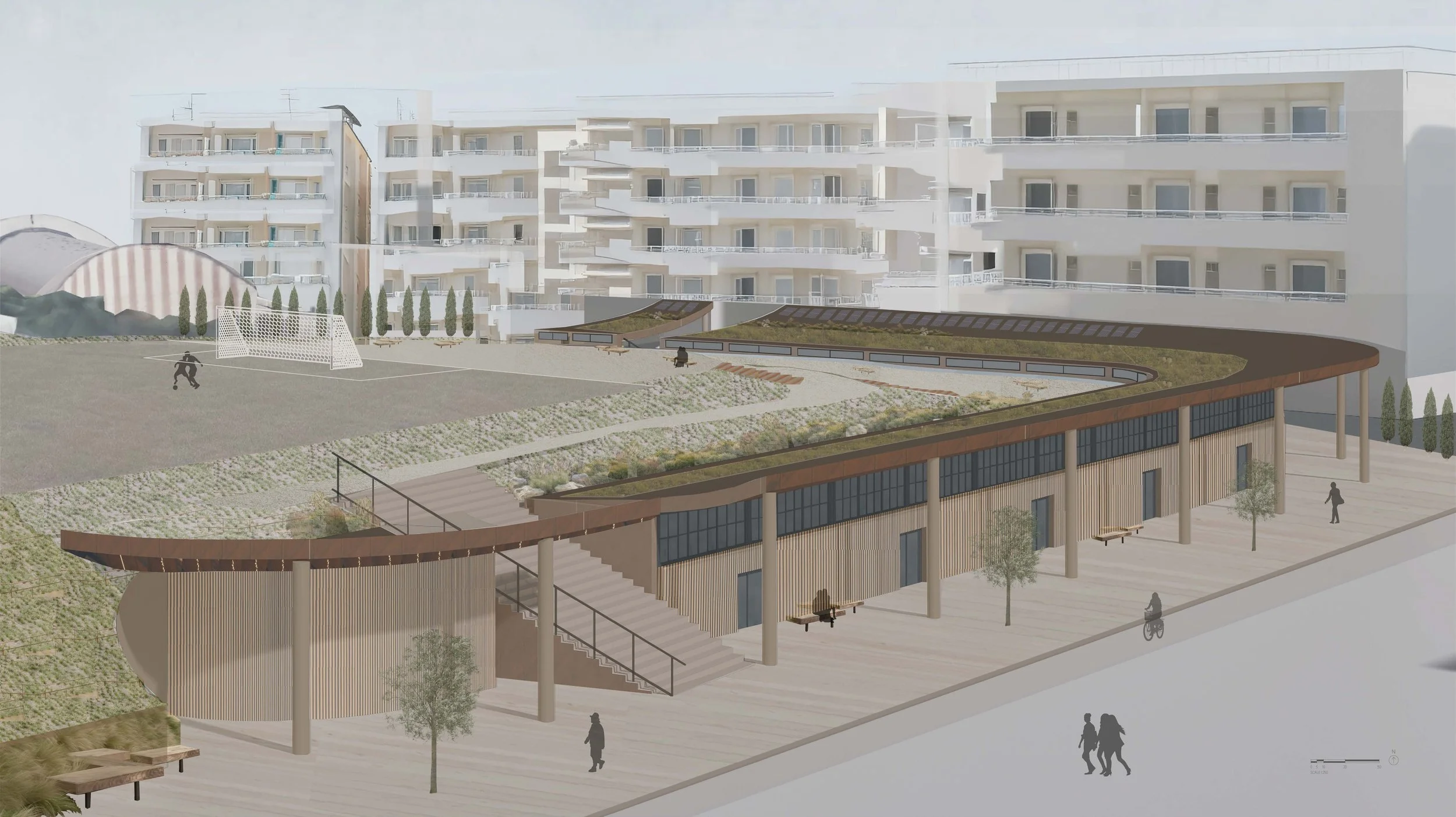
The final project resulted in a built formation that adapts and reuses existing landforms. It subsequently breaks down physical barriers by allowing community members to occupy a space that was once non-occupiable. It promotes the goals of our masterplan that hoped for increased market/kiosk spaces while integrating all age groups into public spaces with a more centralized goal. To restore the community create spaces for residents to gather, play and communicate.
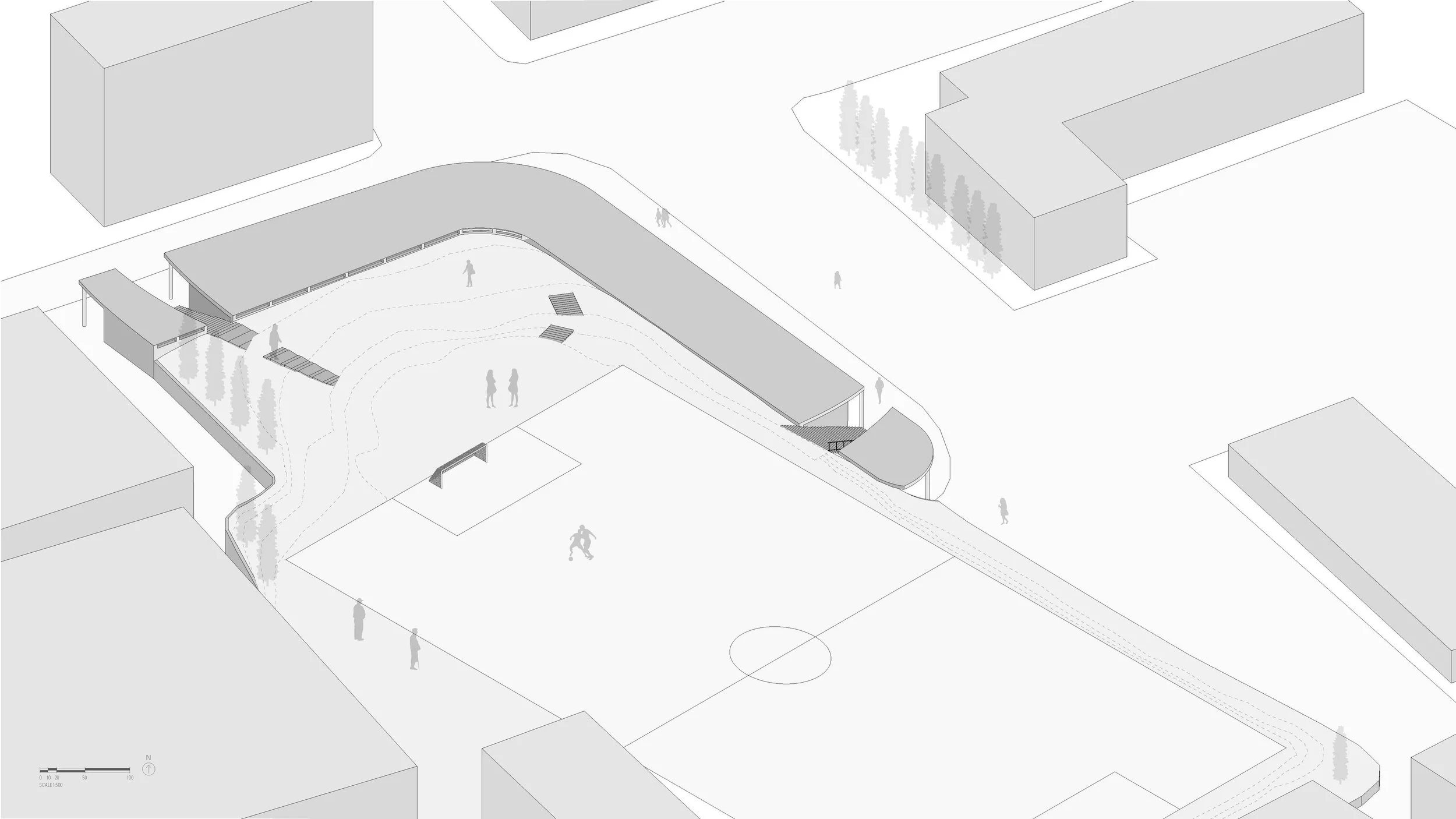
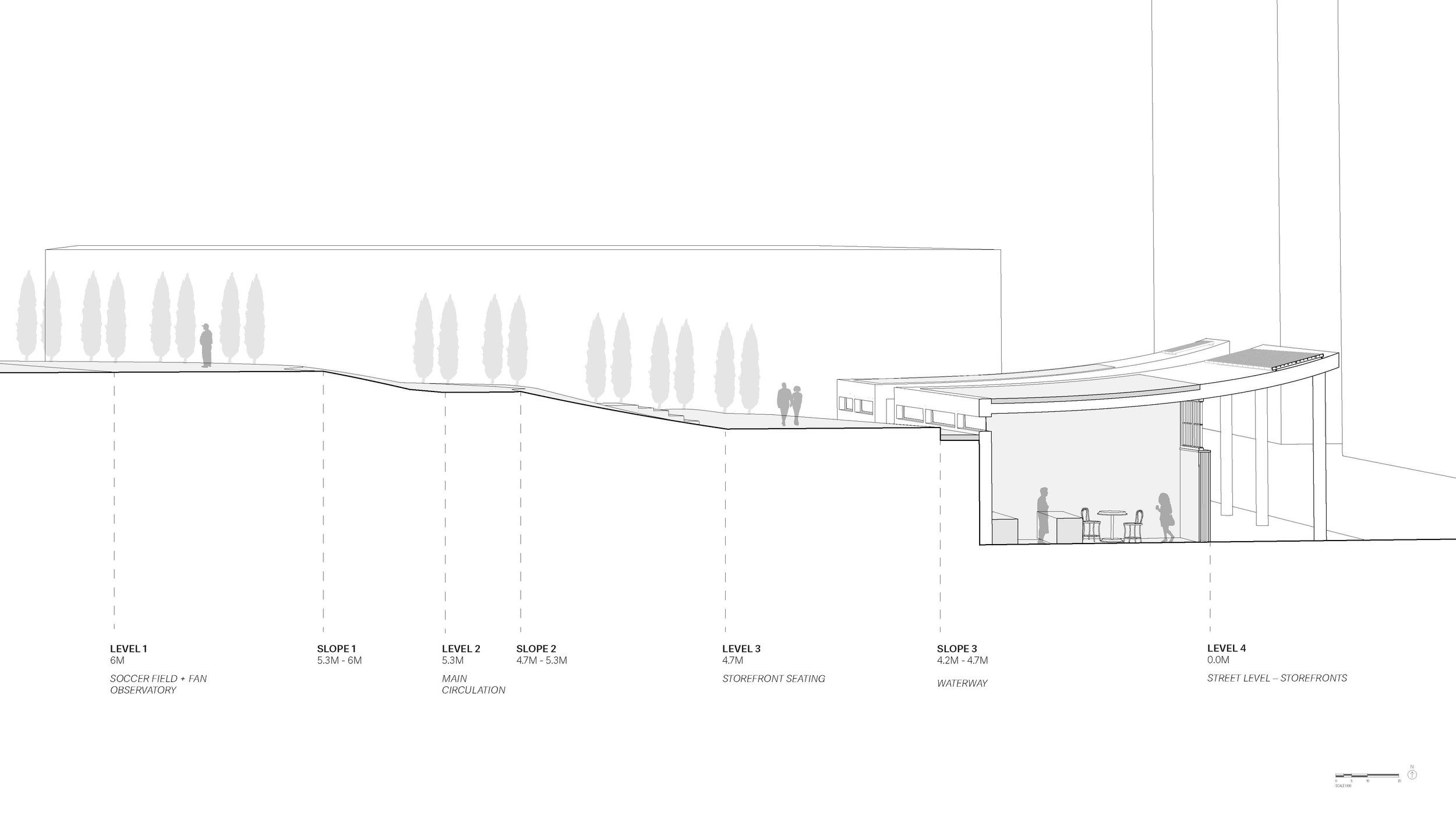
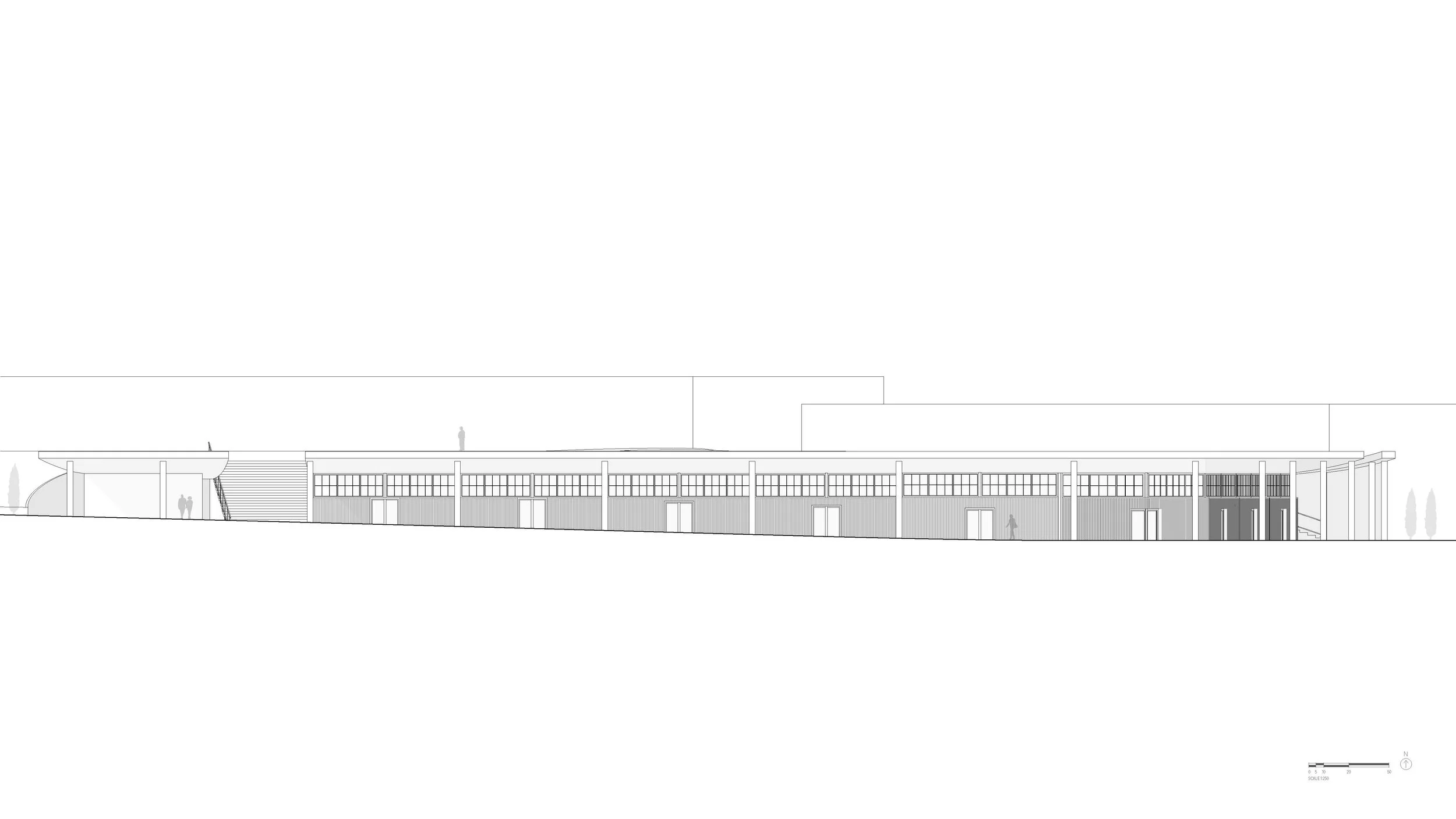
The built structure itself is a series of one story units built in to the preexisting landform. The roof level is accessible by stair with continued outdoor public space and seating for the football field on this level. The building features a number of sustainable strategies such as roofing PV panels, south and east facing clerestory windows for natural daylighting and thermal considerations, as well as openings for natural ventilation techniques. The sloped roof allows for water runoff into a waterway, visible on the roof level, that goes into a rainwater collection tank system below ground.
The final product serves as a multi-purpose market space that aims to draw all members of the community. These will be open tenant spaces for kiosk services such as food markets, gelato shops, butcher shops, barbers, ext. This building will work towards breaking down existing visual and physical barriers, allowing for more natural flow between the church, the fields and the school, ultimately bring the community closer together.